
Losing a tooth affects more than just your smile. It can change how you chew, put your remaining natural teeth at risk of drifting, and start a slow process of bone loss in that spot. A removable partial denture is one of the most affordable, non-surgical ways to close that gap while you decide on a longer-term plan for tooth replacement, or as a standalone solution if that fits your needs and budget.
What a Removable Partial Denture Is
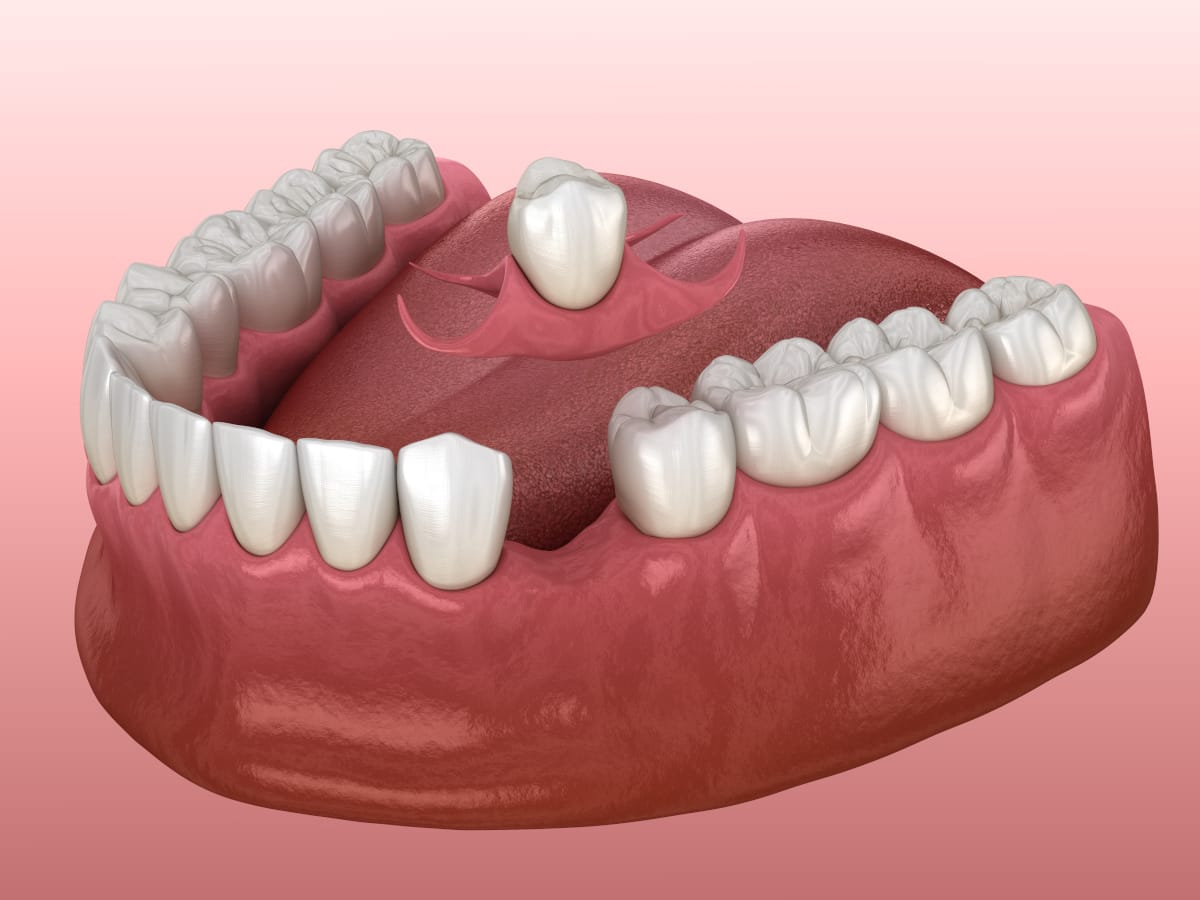
For one missing tooth, a small removable partial denture, sometimes called a “flipper” or flipper tooth, is a removable dental appliance that replaces the missing tooth using a custom-shaped prosthetic tooth attached to a gum-colored base. It stays in place using a clasp or precision attachment that hooks onto one or both of the neighboring teeth, and it comes out for cleaning and at night. Unlike a fixed dental bridge or a dental implant, it doesn’t require any surgery, and in most cases it doesn’t require any preparation of your other teeth either. In dental terminology, this type of removable denture falls under the broader category of tooth replacement options that don’t rely on a permanent, fixed restoration.
Who This Option Fits
A removable partial denture for one missing tooth tends to make sense for patients who want a quick, affordable, non-surgical way to restore their smile, especially as an interim step while healing from a tooth extraction or while deciding on a more permanent option like an implant or a bonded bridge. It’s also a reasonable standalone choice for patients who aren’t good candidates for surgery, who are further along in replacing several missing teeth over time, or who simply prefer to avoid it.
What to Know Before Choosing This Option
A removable partial denture is one of the most affordable dental appliances for replacing missing teeth, but it comes with real tradeoffs worth knowing upfront. Because its design lacks a secure connection, normal biting forces cause the partial to move and shift, and many patients find the bulk of metal and acrylic, along with the visible clasps needed to hold it in place, genuinely uncomfortable to live with day to day. That movement can also irritate the surrounding gum tissue and gum line over time, and in some cases contribute to tooth decay on the neighboring teeth if oral hygiene around the clasp slips.
There’s an oral health consideration too. It doesn’t stimulate the jawbone the way an implant does, so without a natural tooth root in place, bone loss in that area will continue. For most patients today, the two more common long-term replacement options are a single tooth implant or a fixed three-unit bridge, since both provide a more stable, natural-feeling result that matches your natural teeth, and, in the case of an implant, help protect the jawbone as well. A removable partial denture still has its place as an affordable interim option, but I want patients to go in with a clear picture of the tradeoff before getting a partial denture.
Caring for Your Partial Denture
Clean it daily with a denture brush and denture-specific cleaner rather than regular toothpaste, which can be too abrasive for the appliance. Remove it at night so your gums can rest, and keep it in water or a denture-soaking solution when it’s out of your mouth. Regular checkups, the same kind any dentist or periodontist recommends for patients with missing teeth, let us monitor how the clasp is affecting the neighboring tooth, watch for early signs of tooth decay, and adjust the fit as needed as your denture ages. Skipping these visits is one of the more common reasons a partial denture starts to feel loose or uncomfortable sooner than it should.
What Affects the Cost of a Removable Partial Denture
A removable partial denture for one tooth is generally one of the most affordable ways to replace a lost tooth, but the exact price still depends on a few things:
- Materials. A metal-clasp partial and a flexible, clasp-free partial are priced differently, and each has its own comfort and durability tradeoffs.
- Lab work involved. A custom-shaped prosthetic tooth and gum-colored base require lab fabrication, and the complexity of matching your bite and adjacent natural teeth affects that cost.
- Whether it’s an interim or standalone appliance. Patients using a partial as a temporary step toward an implant or bridge sometimes have different planning needs than patients choosing it as a long-term replacement option.
Because these factors vary by patient, I don’t publish a general price range. I’ll give you an exact cost as part of your treatment plan at your consultation, along with a breakdown of financing options.
Frequently Asked Questions
Can you eat with a partial denture for one tooth? Yes, though it takes some adjustment. Most patients find it easiest to start with softer foods and work back up to a normal diet as they get used to the fit and feel of the appliance.
How long does a one-tooth partial denture last? With daily cleaning and regular checkups, a removable partial typically lasts several years, though the exact timeline depends on how well it’s cared for and whether your bite or jawbone changes over time.
Is a removable partial denture noticeable? A well-fitted partial is custom-shaded to match your natural teeth, so it’s generally not obvious in everyday conversation. The visible clasp on the neighboring tooth is the part patients notice most, which is why some prefer a flexible, clasp-free design.
Is a removable partial denture the best option for one missing tooth? It depends on your priorities. It’s the most affordable and least invasive option upfront, but a single-tooth implant or fixed bridge generally offers a more stable, longer-term result. I’ll walk you through how the tooth replacement options compare for your specific case at your consultation.
What’s the difference between a partial denture and a full denture? A partial denture replaces one or more missing teeth while your remaining natural teeth stay in place. A full denture, by contrast, replaces an entire arch of teeth after all of them have been lost. If you’re only missing a front tooth or one or two teeth elsewhere in your mouth, a partial is the appropriate tooth replacement, not a full denture.
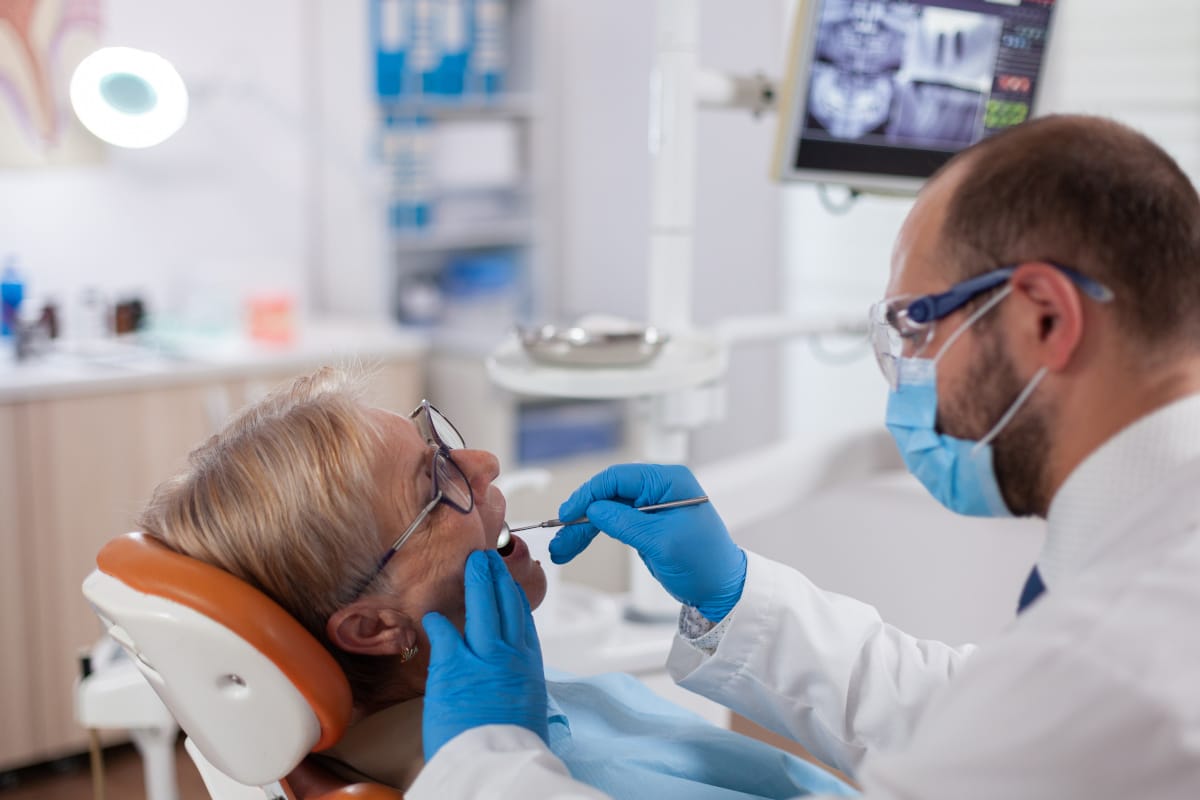
Do I need to see a dentist before getting a partial denture? Any dentist or periodontist fitting a removable partial denture will first check that your remaining teeth and gums are healthy enough to support it, since a clasp resting on a tooth with untreated decay or gum disease won’t hold as well or last as long.
Schedule Your Consultation
If you’re missing a tooth and want to discuss whether a removable partial denture, an implant, or a bonded bridge is the right fit for you, call our office at (347) 493-2439 or schedule your consultation online. With locations in Manhattan, Nutley, NJ, Long Island, and Westchester, getting care close to home shouldn’t be the hard part.