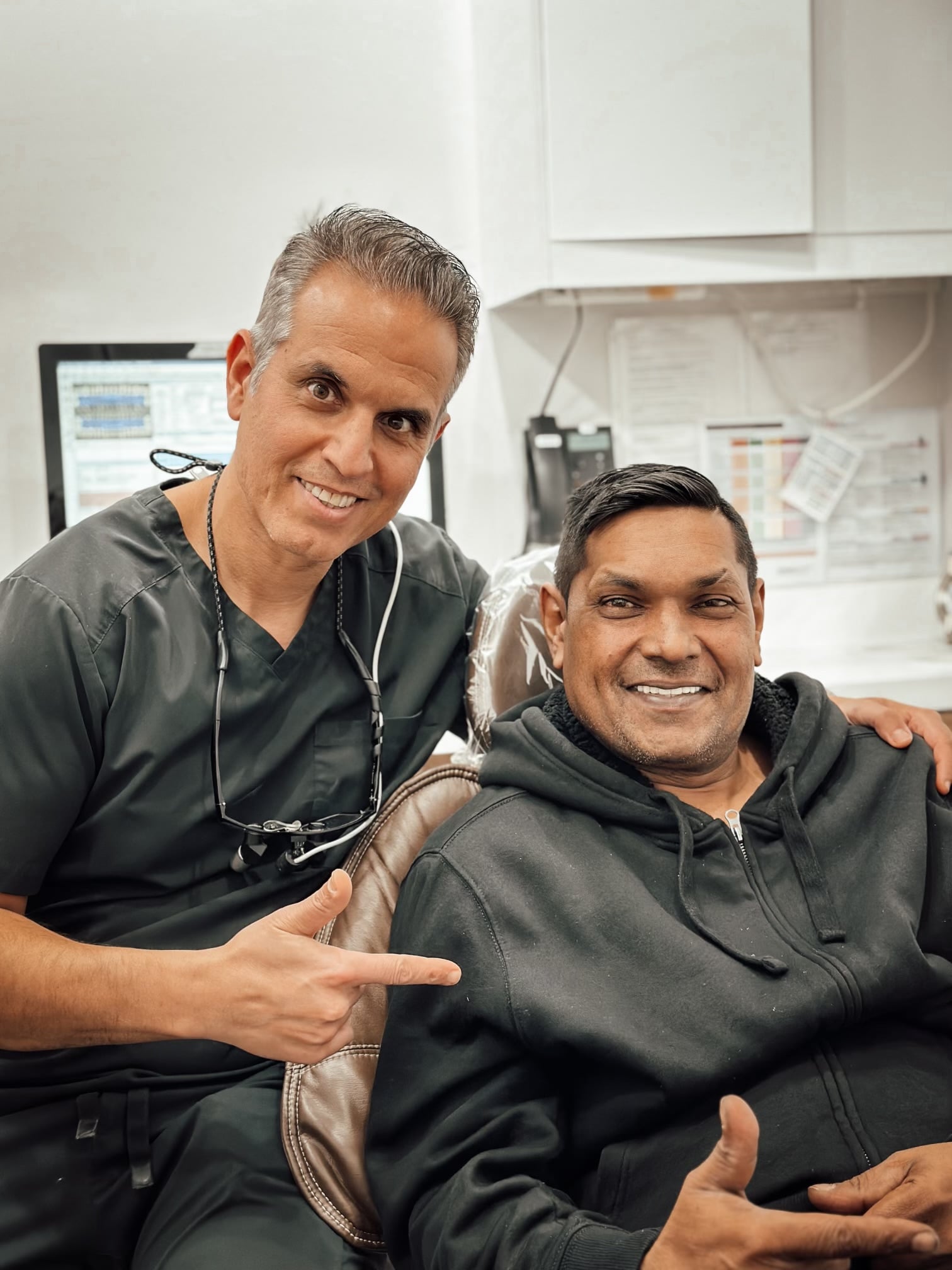

Patients are often surprised that losing just one tooth matters much at all, especially if it’s a back tooth no one else can see. In my experience, that single gap rarely stays a single, isolated problem for long.
Why the Jawbone Starts Shrinking Right Away
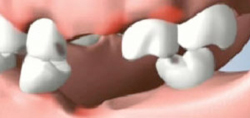
Every tooth is held in the jaw by its root, and that root does more than anchor the tooth. It keeps the surrounding bone stimulated every time you bite or chew. Loss of a tooth to trauma or decay removes that stimulation, and the bone in that spot begins to resorb almost immediately. Left unreplaced, this bone loss continues quietly for years, well before most patients notice any change in the way their mouth looks or feels.


Why Neighboring Teeth Start to Drift
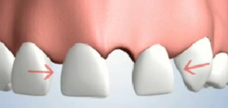
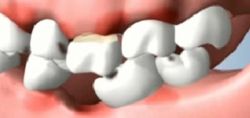
With the missing tooth gone and no replacement in its place, the teeth on either side of the gap lose the support they used to lean on. Over time, they begin to drift and tilt into the open space. How much drifting occurs, and how quickly, depends on the individual and on exactly which tooth was lost. In some patients, the drifting of one tooth is enough to set off movement in several neighboring teeth.
How Drifting Leads to Gum Disease
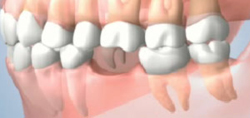
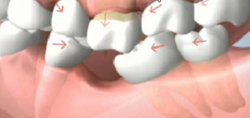
Once teeth have drifted or erupted out of their normal position, the way they sit against each other changes, and that makes it considerably harder to properly clean between them and reach the gum pockets in that area. Plaque accumulates in spots a toothbrush and floss used to reach easily. Over time, this can progress into periodontal disease, which brings its own risks of further tooth decay, gum recession, and additional tooth loss.
Why Earlier Treatment Keeps More Options Open
The longer a single missing tooth goes unreplaced, the more bone is lost and the more the neighboring teeth shift out of position. Both of these make future treatment more involved. Bone preservation techniques, including grafting where needed, can often restore enough bone to make an implant possible even after some resorption has occurred, but the earlier we evaluate the site, the simpler and more predictable that treatment tends to be.
What I Recommend
If you’re missing one tooth, even a back molar you can’t see in the mirror, I’d rather evaluate it now than after years of drifting and bone loss have changed the picture. A single dental implant restores the root function that tooth used to provide, stopping both the bone loss and the drifting before they compound into a bigger problem.
Schedule Your Dental Implant Appointment Today
If you are missing one or more teeth, schedule a personal consultation with one of our highly experienced dental implants providers. We will perform a thorough evaluation and recommend the most appropriate procedures to counter the effects of tooth loss. Call our office at (347) 493-2439 or schedule your consultation online.