
Being told a tooth is “hopeless” is hard to hear. In dentistry, a hopeless prognosis means a tooth is unlikely to be kept healthy long term, even with treatment. As periodontists, our first goal is always to save natural teeth, and some teeth labeled hopeless elsewhere can still be treated. When a tooth truly cannot be saved, removing it and planning the right replacement protects your other teeth, your jawbone and your bite. This page explains how we decide whether a tooth can be saved, what can be done first, and your options if it has to come out.
Why Some Teeth Cannot Be Saved
A tooth may be considered hopeless or non-restorable for several reasons:
- Advanced gum disease. Periodontal disease is one of the most common reasons adults lose teeth. When infection has destroyed most of the bone and ligament holding a tooth, it becomes loose and may not have enough support left to keep.
- Severe infection. An infected tooth can often be treated with a root canal. If the infection is too extensive, keeps returning after treatment, or the tooth cannot be sealed properly, extraction may be the safer choice.
- Extensive decay. When decay has destroyed so much of the tooth that there is not enough healthy structure left to hold a crown, the tooth may be unrestorable.
- Cracks and fractures. A crack that runs down into the root (a vertical root fracture) usually cannot be repaired.
- Trauma. A tooth badly broken or knocked loose in an accident may be damaged beyond repair.
- Failed previous treatment. A tooth that has had several root canals, posts or crowns can reach a point where further treatment has a poor chance of lasting.
Warning Signs A Tooth May Be Beyond Repair
Only an examination and x-rays can confirm it, but these signs can indicate a tooth is in serious trouble:
- Persistent tooth pain, or pain when biting, that keeps returning.
- A tooth abscess, a pimple-like bump on the gum, or swelling that comes back after treatment.
- A tooth that feels loose or has started to move.
- Gums that have receded far down the root, with deep pockets around the tooth.
- A tooth that is split, or a large piece that has broken away below the gumline.
- A severely decayed tooth with very little natural tooth structure left.
Some of these problems can still be treated if caught early, so do not wait for the pain to settle before having the tooth checked.
How We Decide Whether A Tooth Can Be Saved
A decision to remove a tooth should never be rushed. We look at the whole picture, including:
- How much bone support remains, measured with periodontal charting and 3D cone beam CT imaging.
- How loose the tooth is, and whether the looseness is caused by gum disease, a heavy bite, or both.
- Whether there is enough sound tooth structure to restore.
- The health of the neighboring teeth and how important the tooth is to your bite.
- Your general health, including conditions such as diabetes and habits such as smoking.
- The long-term cost and predictability of saving the tooth compared with replacing it.
If you have been told a tooth is hopeless and you are unsure, a second opinion from a periodontist can help.
Treatments That May Save A Tooth
Before recommending extraction, we consider whether a tooth can be kept with treatment such as:
- Laser gum surgery. LANAP is a minimally invasive laser treatment for gum disease that can help teeth with deep pockets and bone loss, including some teeth that might otherwise be extracted.
- Deep cleaning. Scaling and root planing removes the tartar and bacteria below the gumline that drive gum disease.
- Bone regeneration. In some bone defects, grafting and regenerative techniques can rebuild part of the lost support around a tooth.
- Bite adjustment and splinting. Reducing heavy forces on a loose tooth can help it stabilize while the gums heal.
- Crown lengthening. When a tooth is broken near the gumline, crown lengthening can expose enough healthy tooth for your dentist to place a new crown.
- Root canal therapy. An endodontist can often treat an infected tooth so it can be kept, and root canals can often save teeth that look hopeless at first.
Saving a tooth is not always the best choice, though. A tooth with a very poor outlook can keep infection active, lead to further bone loss, and make a future implant harder to place. Sometimes the kindest option for the rest of your mouth is to remove it and plan ahead.
Why Replacing An Extracted Tooth Matters
Every tooth helps you chew, speak and hold your bite in place. Leaving a gap can cause:
- Bone loss. The jawbone begins to shrink once the tooth root is gone.
- Shifting teeth. Neighboring teeth tilt into the space, as described on our page about tooth drifting, and opposing teeth can over-erupt.
- Changes in appearance. Over time, bone loss can affect the support of the lips and cheeks.
- Difficulty eating. Missing back teeth make it harder to chew foods such as meat, nuts and raw vegetables.
Read more on the consequences of single tooth loss.
Planning The Extraction With The Replacement In Mind
How a tooth is removed affects what can be placed afterward. We remove teeth as gently as possible to protect the surrounding bone and gums, and we plan the replacement before the extraction. Depending on your case, options at the time of extraction include:
- Socket preservation. Filling the socket with bone graft material helps maintain the ridge for a future implant. See bone preservation for dental implant placement.
- Immediate implant placement. When the bone and gums are healthy enough, an implant can sometimes be placed in the same visit as the extraction.
- Staged treatment. If there is active infection or significant bone loss, the site is cleaned and grafted first, and the implant is placed a few months later once it has healed.
Replacement Options When A Tooth Cannot Be Saved
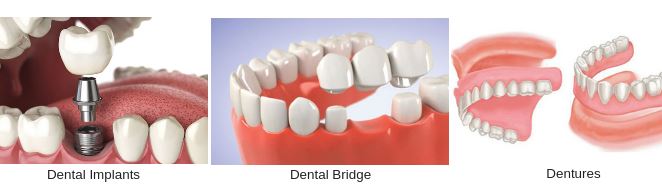
- Dental implant. A single dental implant replaces the root as well as the crown, helps preserve the jawbone and does not rely on the neighboring teeth. For most patients it is the most natural-feeling and long-lasting option.
- Dental bridge. A bridge fills the gap by attaching to the teeth on either side, which usually need to be reshaped for crowns. A bridge restores appearance and chewing but does not stop bone loss where the tooth was removed.
- Removable partial denture. A partial denture is the least invasive and least expensive option, but it is less stable and does not prevent bone loss.
- Full-arch options. When several or all teeth in an arch are hopeless, they can often be replaced with fixed teeth on implants, such as Teeth in an Hour™ or All-on-4™, sometimes on the same day as the extractions.
For a side-by-side look at single-tooth choices, see treatment options for replacing a single tooth.

Frequently Asked Questions
What Does A Hopeless Prognosis Mean For A Tooth?
It means the tooth is not expected to stay healthy long term, even with treatment, usually because of severe bone loss, infection or damage. A second opinion is reasonable before any extraction.
Can A Loose Tooth From Gum Disease Be Saved?
Sometimes. If enough bone remains, treating the gum disease, for example with laser therapy, and reducing bite forces can allow a loose tooth to firm up. Teeth with very little support left usually cannot be kept.
Is It Better To Save A Tooth Or Get An Implant?
When a tooth can be saved predictably, keeping it is usually the first choice. When the outlook is poor, an implant is often the more reliable long-term option. The answer depends on the individual tooth.
What Happens If I Keep A Tooth That Can’t Be Saved?
A tooth that cannot be saved often stays infected, even if it stops hurting. The infection can continue to destroy bone, affect neighboring natural teeth and make implant placement harder later. Removing it in a planned way usually protects your long-term oral health.
How Soon After An Extraction Can I Get An Implant?
In some cases the same day. If the site is infected or needs grafting, the implant is usually placed after a few months of healing.
Book A Consultation
If you have a tooth that may not be savable, or you have been told a tooth is hopeless, our board-certified periodontists can assess whether it can be saved and, if not, plan the best replacement. Call (347) 493-2439 or request a consultation online.