
A dry mouth usually means your salivary glands are not making enough saliva. The medical term is xerostomia. The most common causes are medications, dehydration, breathing through your mouth and habits such as smoking, but dry mouth can also be a sign of a medical condition. Occasional dryness is not serious. Ongoing dry mouth deserves attention, because saliva protects your teeth, your gums and any dental implants or dentures you have. As periodontists, that last part is our focus on this page.
Why Saliva Matters For Your Teeth And Gums
Saliva does far more than keep your mouth comfortable. It is mostly water, but it also carries minerals, enzymes and antibacterial proteins. Saliva:
- Washes away food particles and bacteria after you eat.
- Neutralizes the acids that weaken tooth enamel, and supplies minerals that help repair it.
- Helps control the bacteria in plaque that cause gum disease.
- Keeps the soft tissues of the mouth moist and protected from friction.
- Helps you taste, chew, swallow and speak.
- Creates the thin film that helps a denture stay in place.
When saliva flow drops, all of these protections weaken at once.
Common Causes Of Dry Mouth
- Medications. Hundreds of prescription and over-the-counter drugs list dry mouth as a side effect, including antihistamines, decongestants, antidepressants, anti-anxiety medications, high blood pressure medications, diuretics and some pain medications. Taking several medications together makes it more likely.
- Dehydration. Not drinking enough water, heavy sweating, fever, or drinking a lot of caffeine or alcohol can all reduce saliva.
- Mouth breathing and snoring. Sleeping with your mouth open, nasal congestion and sleep apnea dry the mouth overnight. Some people also notice dryness when using a CPAP machine.
- Tobacco and vaping. Smoking and vaping reduce saliva flow and also raise the risk of gum disease.
- Medical conditions. Diabetes, Sjögren’s syndrome (an autoimmune condition that affects the salivary glands) and several other conditions can cause dry mouth.
- Cancer treatment. Radiation therapy to the head and neck can damage the salivary glands, and some chemotherapy drugs reduce saliva for a time.
- Nerve damage. An injury or surgery affecting the nerves of the head and neck can reduce saliva production.
- Stress and anxiety. These can cause a temporary dry mouth.
Dry mouth becomes more common with age, largely because older adults tend to take more medications.
Why Is My Mouth So Dry At Night Or In The Morning?
Saliva flow naturally slows during sleep. If you also breathe through your mouth, snore, or sleep in a dry room, you may wake up with a very dry mouth and throat. Morning dryness that does not ease after drinking water, or that comes with loud snoring and daytime tiredness, is worth mentioning to your physician.
Symptoms Of Dry Mouth
- A dry, sticky feeling in the mouth or throat, or thick, stringy saliva.
- Bad breath.
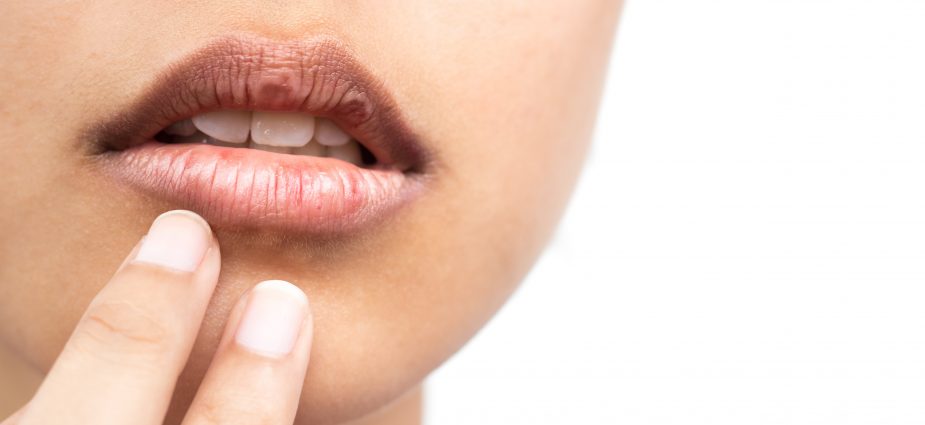
- Cracked lips, or sore cracks at the corners of the mouth.
- A dry, rough or burning tongue.
- Difficulty chewing, swallowing or speaking.
- A changed sense of taste.
- Mouth sores, or a denture that rubs and feels loose.
- Teeth or gums that feel dry, especially on waking.
How Dry Mouth Affects Your Gums
Without enough saliva, plaque builds up more easily along the gumline and is harder for your mouth to clear on its own. Over time this can raise the risk of gingivitis and periodontal disease, as well as tooth decay, especially near the gumline and around the edges of crowns and fillings. Dry gum tissue can also become tender and easily irritated.
If you have ongoing dry mouth, regular periodontal checkups matter more than usual. Early gum disease is easier to manage, and our page on gum disease treatment explains the options if it has already developed.
Dry Mouth And Dental Implants
Dental implants cannot decay, but the gum and bone around them still depend on a healthy, well-cleaned mouth. Plaque that builds up around an implant can inflame the surrounding tissues, and if it is not controlled this can progress to peri-implantitis, an infection that damages the bone supporting the implant. People with dry mouth need to be especially thorough with cleaning around implants and should keep up with regular maintenance visits.
Dry mouth on its own does not usually rule out implants. It is part of the medical history we review when planning treatment, together with its cause. Patients who have had radiation therapy to the jaws need particular care in planning, usually together with their medical team. For some people with chronic dry mouth, repeated decay under crowns and bridges eventually leads to tooth loss, and implants can offer a more durable replacement. You can read more about implant candidacy in can you get dental implants with gum disease?
Dry Mouth And Dentures
A conventional denture relies partly on a thin layer of saliva to create suction. With a dry mouth, dentures often feel loose, rub the gums and cause sore spots, and many people turn to more and more denture adhesive. Implant overdentures and fixed implant teeth such as All-on-4™ are anchored to implants, so they stay in place without relying on suction. Our page on the effects of full dentures covers other common problems.
Tips To Ease Dry Mouth
- Sip water throughout the day and keep water by your bed.
- Chew sugar-free gum or suck sugar-free lozenges, ideally with xylitol, to stimulate saliva.
- Use a humidifier in your bedroom, and treat nasal congestion so you can breathe through your nose.
- Limit caffeine and alcohol, and avoid tobacco and vaping.
- Choose an alcohol-free mouthwash and a fluoride toothpaste.
- Try over-the-counter saliva substitutes (artificial saliva), available as sprays, gels, rinses and lozenges.
- Avoid sugary and acidic snacks and drinks, which do more damage when saliva is low.
- Ask your physician whether a medication could be the cause. Do not stop or change a prescribed medication without their advice.
When To See A Doctor
See your physician if dry mouth lasts more than a few weeks, comes with dry eyes, joint pain, increased thirst or frequent urination, or started after a new medication. They can look for an underlying cause and discuss treatment. Your dentist or periodontist can check your teeth, gums and implants for the effects of low saliva and help you protect them.
Frequently Asked Questions
Why Is My Mouth So Dry Even When I Drink Lots Of Water?
If you are well hydrated and your mouth is still dry, the cause is usually something that affects the salivary glands directly, such as a medication, mouth breathing or a medical condition. Drinking water helps comfort but does not fix the underlying cause, so it is worth speaking to your physician.
Why Do My Gums Feel Dry?
Dry-feeling gums are usually a sign of low saliva or mouth breathing. Because dry mouth can raise the risk of gum disease, gums that also bleed, look red or feel tender should be checked.
Why Do My Teeth Feel Dry?
Teeth can feel dry or rough when there is too little saliva coating them, often first thing in the morning after breathing through your mouth at night. Ongoing dryness increases the risk of decay, so keep up with fluoride toothpaste and dental checkups.
Can Dry Mouth Cause Gum Disease?
Dry mouth does not cause gum disease on its own, but it makes plaque harder to control, which can raise the risk of gingivitis and periodontitis.
Can I Get Dental Implants If I Have Dry Mouth?
In many cases, yes. We look at the cause of the dry mouth, your gum health and your ability to keep the implants clean, and plan treatment around them.
Book A Consultation
If dry mouth is affecting your gums, your dentures or your implants, our board-certified periodontists can evaluate your gum health and discuss options for protecting or replacing your teeth. Call (347) 493-2439 or request a consultation online.