

When a single tooth is missing, a bonded bridge, often called a Maryland bridge or a resin-bonded bridge, is one of the more conservative tooth replacement options in restorative dentistry for restoring both function and appearance. I recommend it for patients who want a fixed replacement without the extensive preparation required by a traditional bridge. It’s most commonly used for front teeth, where the bite forces are lighter and the cosmetic result matters most. Many dentists still consider it a reliable choice for patients missing teeth in this position, when the case is selected carefully.
What Is a Bonded (Maryland) Bridge?
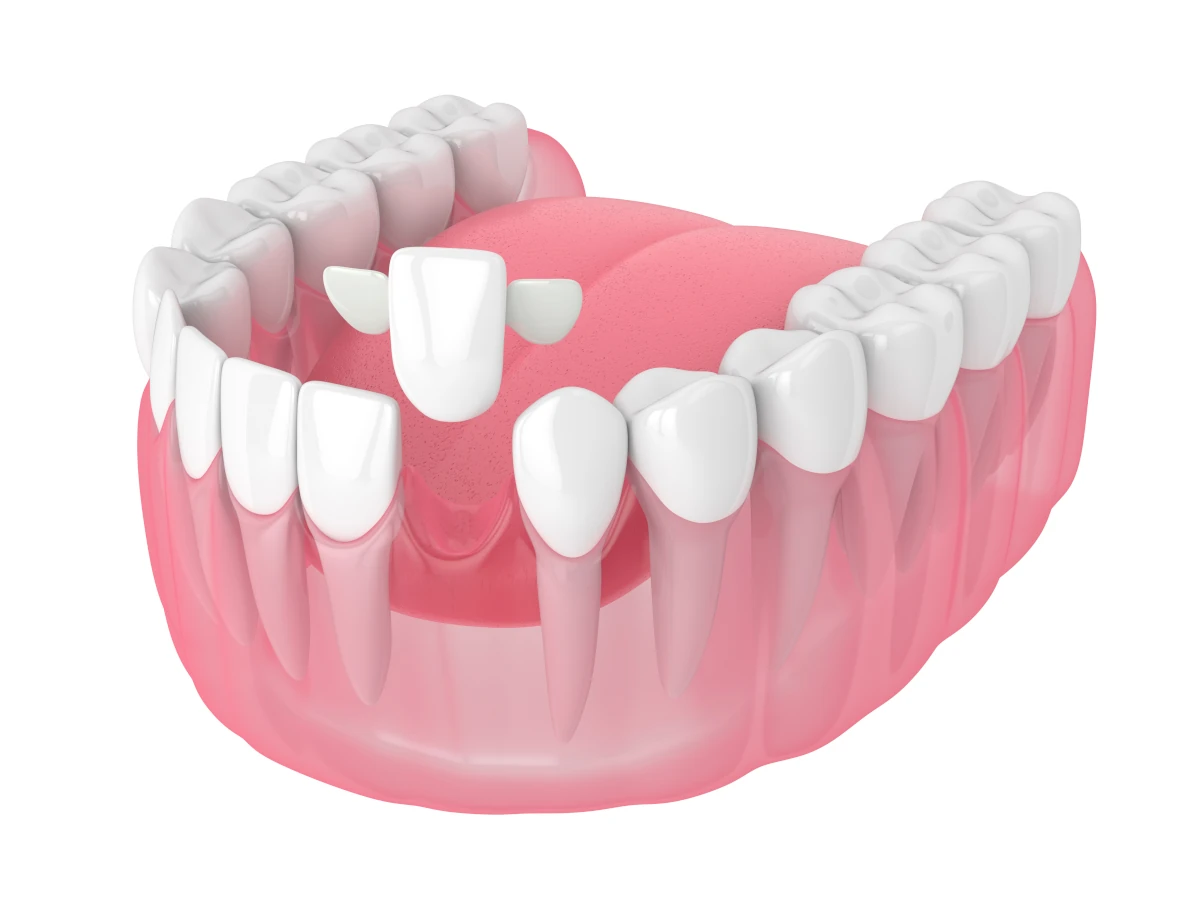
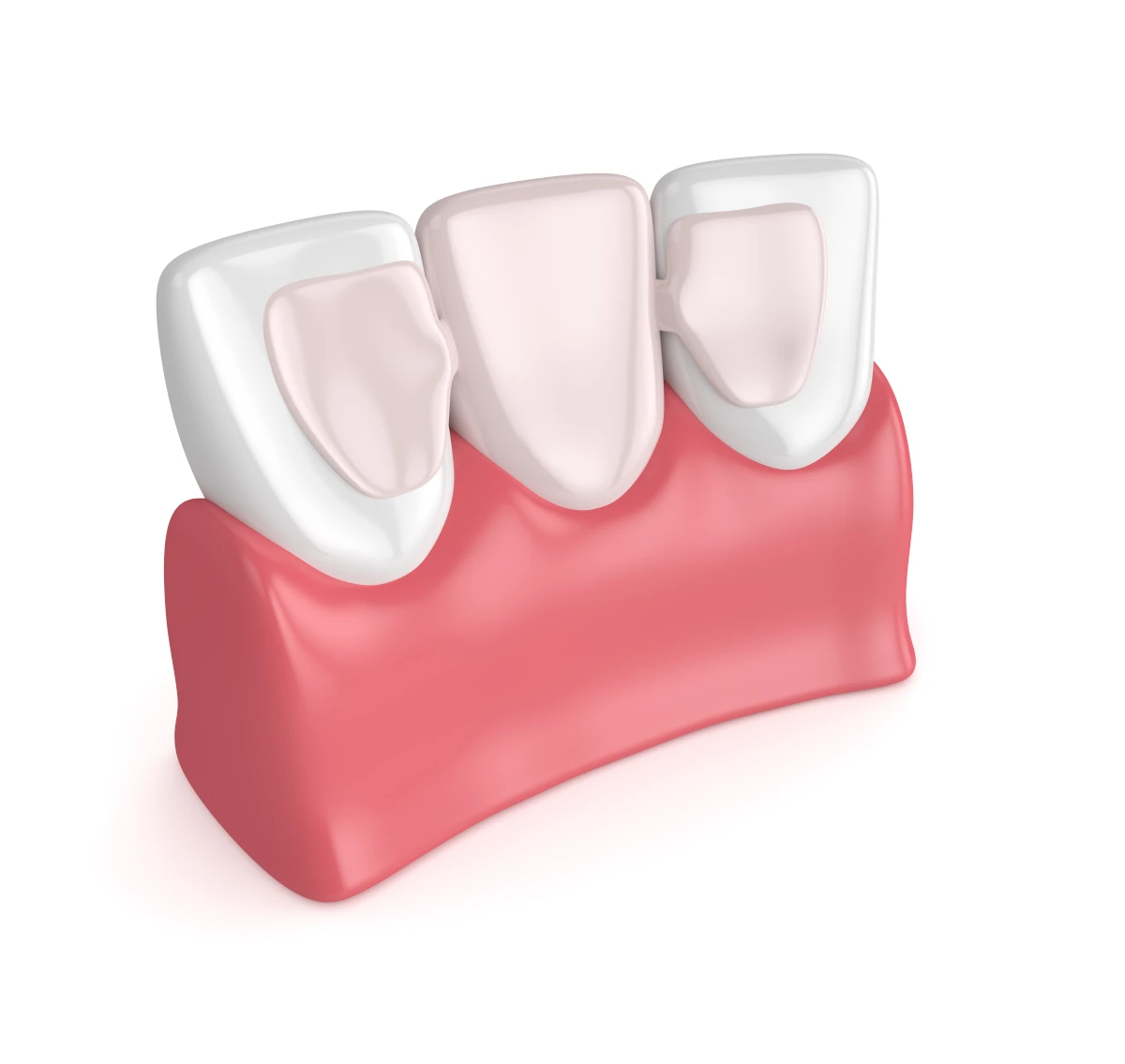
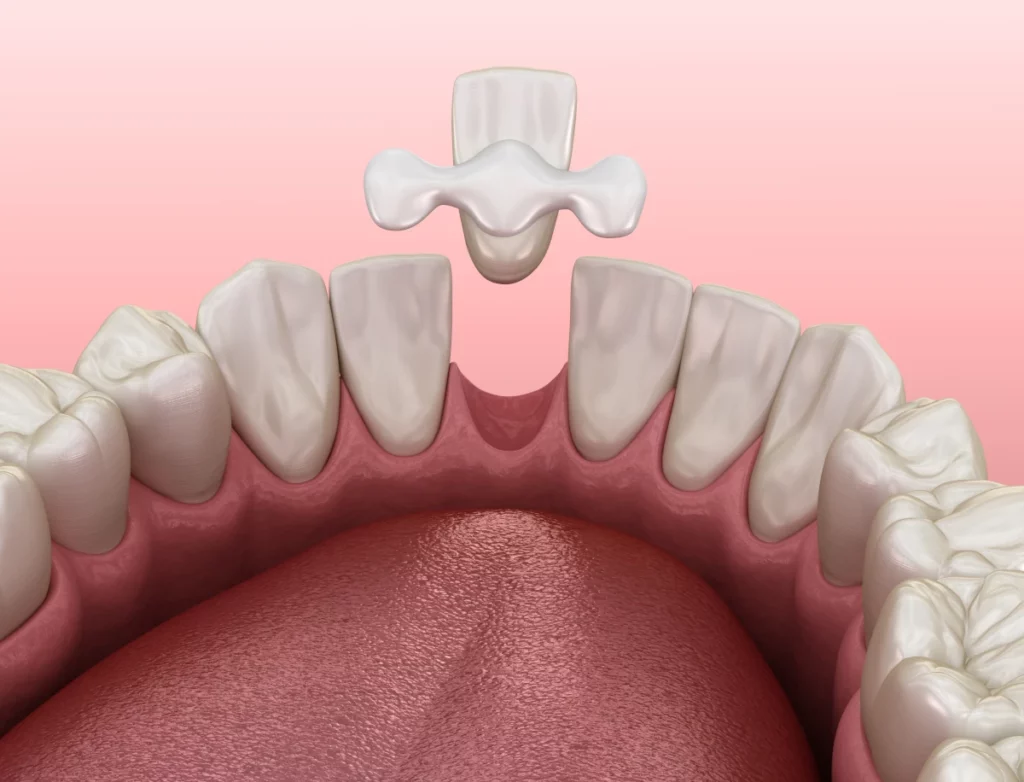
A Maryland bridge is a type of dental bridge that uses two thin wings, a framework bonded to the back of the natural teeth on either side of the gap, rather than the full dental crowns that wrap around the supporting teeth the way a traditional bridge does. The missing tooth itself, the pontic or false tooth, sits in the gap, held in place by those bonded wings anchored to your neighboring teeth. Because it doesn’t require the significant reshaping a traditional bridge needs, it preserves far more of your natural tooth structure while still replacing the missing tooth in a fixed, non-removable way.
Bonded, Resin-Bonded, Resin-Retained, Maryland: All the Same Thing
The naming causes more confusion than the treatment does when you search online.
A bonded bridge, a resin-bonded bridge, a resin-retained bridge, an adhesive bridge and a Maryland bridge are all the same restoration. Different sources favour different names, which makes it look as though you are choosing between several options when you are reading about one.
The resin in those names refers to what actually holds the bridge in place. Rather than being cemented over crowns or anchored by a root in the bone, the wings are etched, the back surfaces of your adjacent teeth are etched, and a high-strength composite resin cement grips between the two. The bond itself is the retention, which is why it is described as resin-retained. In academic writing you will sometimes see it abbreviated to RBFDP, for resin-bonded fixed dental prosthesis.
The Maryland name stuck because the technique was developed at the University of Maryland, and it remains the term most patients search for, even though it describes the same thing as the others.
What the Wings Are Made From
The original Maryland bridge used a cast metal framework, and that is where the design’s old reputation comes from: metal bonded to the back of an upper front tooth can show through the enamel as a grey shadow, which is a poor result on exactly the teeth this bridge is most often used for.
Materials have moved on considerably. Today the framework is more commonly zirconia or an all-ceramic build, and in some cases a plastic composite, none of which carry the shadowing problem. Metal is still used and still works, but it is no longer the default, and if you have read that a Maryland bridge means metal wings, that description is describing the 1980s version rather than what is placed now.
I select the material based on where the tooth sits, how much bite force the area takes, and how visible the back of the adjacent teeth are when you smile.
Maryland Bridge vs. Traditional Bridge
The difference comes down to how much of your natural teeth get altered. A traditional dental bridge requires shaping the adjacent teeth down to accept full crowns, which means removing healthy enamel even if those teeth have no decay. A Maryland bridge only bonds a thin wing to the back surface, so there’s little to no drilling involved. The tradeoff is durability: a traditional bridge, cemented over full crowns, generally holds up longer under normal biting forces than a bonded connection does.
A cantilever bridge is a third tooth-replacement design that is anchored on one side of the gap only. An implant-supported bridge or single implant, which anchors into the jaw bone rather than relying on adjacent teeth at all, is the most durable option of the group, but also the most involved. You can compare all of them on our dental bridge overview.
Advantages of a Bonded Bridge
- Conservative tooth preparation. The wings are bonded to the back of the adjacent teeth, so there’s little to no drilling into healthy tooth structure.
- Natural appearance. A custom zirconia, ceramic, or composite resin framework is color-matched to blend with your smile.
- More affordable. This option is often less expensive than a dental implant or a traditional bridge, while still delivering a solid aesthetic result.
- Faster treatment. Because the preparation is minimal, treatment moves faster and with less discomfort than a traditional bridge.
- Restored function. Once bonded, the replacement tooth restores chewing ability and speech the same way any fixed bridge does.
- Reversible. Because so little tooth structure is removed, choosing a bonded bridge now does not close off an implant later.
How the Procedure Works
- Initial consultation and evaluation. I’ll assess your oral health, take detailed impressions and images, and confirm whether a Maryland bridge is the right fit for your case.
- Preparation and bonding. If needed, the adjacent teeth are very lightly prepared to accept the bridge’s wings. The custom-fabricated bridge is then bonded in place using a high-strength dental resin.
- Final adjustments. Once the bridge is bonded, I check the fit and bite closely and make any adjustments needed for comfort.
- Aftercare. I’ll walk you through how to care for the bonded bridge, including the oral hygiene habits that support both the bridge and your remaining teeth, so it holds up well over time as part of your regular dental care.
Who Is a Good Candidate?
A Maryland bridge tends to be a good fit for patients who:
- Are missing a single tooth, most often a front tooth, and want a less invasive option than a traditional bridge
- Have healthy adjacent teeth capable of supporting the bonded wings
- Are looking for a more affordable alternative to a dental implant
- Want a fast, aesthetic restoration with minimal impact on their natural teeth
It’s generally not the first recommendation for back teeth, since molars absorb much heavier bite forces than a bonded connection is designed to withstand long-term.

A Maryland Bridge Is Usually a Temporary Solution
A bonded bridge is not designed to be a permanent replacement for a missing tooth. Over time the adhesive connection debonds — that is the normal end of its life rather than a failure. Very few patients keep one indefinitely.
Where it genuinely comes into its own is as an interim restoration, and the clearest example is younger patients. A teenager who is missing a tooth, either congenitally or through an accident, usually cannot have an implant yet, because implants need the jaw to have finished growing. Placing one too early leaves it stranded as the surrounding teeth continue to develop around it. A Maryland bridge fills that gap through the years in between, and once growth is complete we replace it with an implant as the permanent solution.
That is the pattern I see most often: a bonded bridge as the bridge to an implant, not as a destination.
Other Situations Where a Bonded Bridge Fits
It is also a reasonable choice in several adult situations, for much the same reason — it holds a space and gives you a tooth while something more permanent is planned.
After an extraction, before an implant. Once a tooth comes out, the space needs holding. Neighbouring teeth drift toward a gap, and if they move, the implant that eventually goes in has less room than it should. A bonded bridge preserves the space and gives you a tooth in the meantime.
When the natural crown survives. If a tooth is knocked out but the crown is still in one piece, we can sometimes use your own tooth as the pontic, bonded into place with wings. It is the closest possible match to what you had, because it is what you had.
When implants are not an option. Some patients are not candidates for surgery, or would simply rather not have it. A bonded bridge gives them a fixed result with no surgical procedure at all.
Living With a Bonded Bridge
The main practical limitation is worth knowing before you decide. A bonded bridge is held on by adhesive rather than by crowns or a root in the bone, so it is not built for biting directly into hard foods. Apples, carrots, and anything similar should be cut up rather than bitten into with the front teeth. Used within those limits it performs well. Used outside them, it can debond.
Cleaning is otherwise straightforward. Brush normally, and use a floss threader or interdental brush to clean underneath the pontic where it meets the gum, since you cannot pass floss through the way you would between natural teeth.
How Long Does a Maryland Bridge Last?
Not as long as a traditional bridge or an implant, and that is by design rather than a shortcoming. A bonded bridge is held on by adhesive, and over time that connection debonds. How long you get depends on how much force the area takes and how well the bridge is maintained, but it is not the restoration to choose if you want something you will never think about again.
That is why I am upfront with patients that this is usually a step rather than a destination. For a teenager waiting to finish growing, that step might last several years and do its job perfectly. For an adult deciding between options, it buys time without closing anything off.
If it does debond, that is usually a repair rather than a replacement. The bridge is cleaned and re-bonded, and in most cases the same restoration goes back in.
What Affects the Cost
A bonded bridge is generally one of the more affordable ways to replace a single tooth, sitting below both a traditional bridge and an implant. The variables that move the number:
- Framework material. Zirconia, all-ceramic, and metal frameworks carry different laboratory costs.
- Whether any preparation is needed. Some cases need no tooth preparation at all, others need a light adjustment to seat the wings correctly.
- Whether your own crown can be used. In the case of a cleanly knocked-out tooth, using the natural crown changes the lab work involved.
- Insurance. Many plans cover part of a bridge, particularly when the tooth was lost to injury or decay rather than for cosmetic reasons.
I’ll give you an exact cost as part of your treatment plan at your consultation.
Frequently Asked Questions
Is a Maryland bridge still a commonly recommended option? Yes, for the right case. It’s not the right fit for every missing tooth, particularly molars under heavy bite force, but for a front tooth in a patient who wants to avoid grinding down healthy adjacent teeth, it remains a solid, well-established option.
Do Maryland bridges still use metal wings? Not usually. The original design did, and metal is still used in some cases, but zirconia and all-ceramic frameworks are now more common because they avoid the grey shadow that metal can cast through a front tooth.
Is a Maryland bridge more expensive than other options? It’s typically less expensive than a dental implant or a traditional full-crown bridge, since it requires less lab work and less alteration of the adjacent teeth. Exact cost depends on the materials used and your specific case, which I’ll go over at your consultation.
Will a Maryland bridge affect how I speak or eat? Most patients adjust within a day or two and don’t notice any lasting difference in speech. Because it’s bonded to the back of your existing teeth rather than replacing tooth structure you’re used to, adjustment tends to be quicker than with a full denture. Hard foods are the exception, and should be cut rather than bitten into.
Can a Maryland bridge replace more than one missing tooth? It’s designed for a single missing tooth. If you’re missing more than one in the same area, I’ll typically recommend an implant-supported bridge or another option better suited to the additional load.
What happens if it comes off? It is usually re-bonded rather than remade. Keep the bridge if it debonds, avoid trying to re-attach it yourself, and call the office so we can check why it came loose before putting it back.
Can I get an implant later instead? Yes, and that is a common path. Because a bonded bridge removes little or no tooth structure, it does not compromise your options later.
Schedule Your Consultation
If you’re missing a tooth and want to explore whether a Maryland bridge is right for you, call our office at (347) 493-2439 or schedule your consultation online.